Skip to content
GLS Turf logo — badge with green grass blades

In the 7-Step Program

Lawn Fertilization

Fertilization is included in the 7-Step Program. Timing and nutrient needs vary by turf species, so Bermuda, Zoysia, and Centipede should not share one generic feeding schedule.
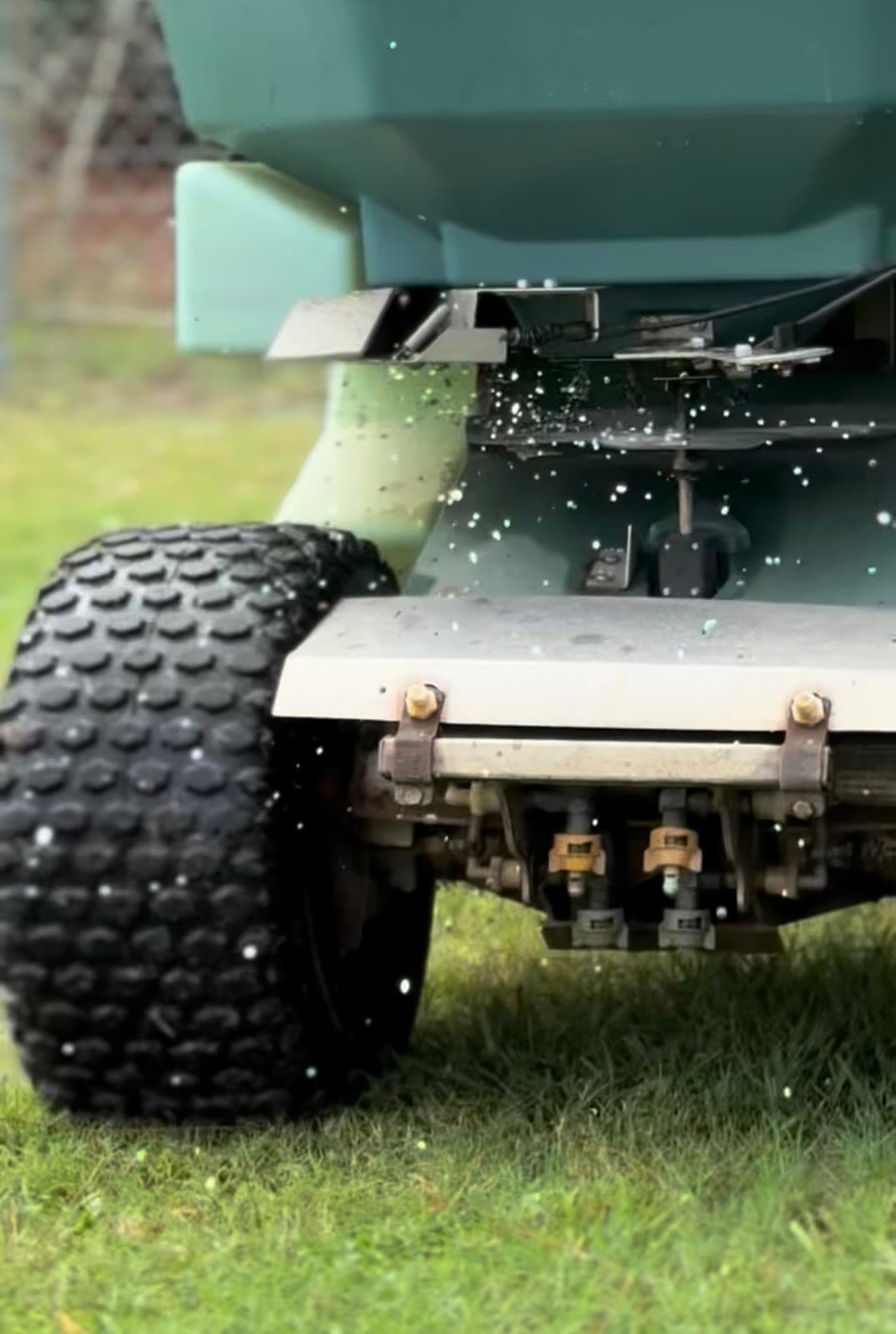
Granular lawn treatment being applied in Gilbert, South Carolina

Feed warm-season turf after spring green-up

Lawn Fertilization in the 7-Step Program.

Warm-season grass cannot use nitrogen while it is dormant, so feeding starts once the lawn has greened up on its own and then follows it through the growing months. We match the formulation and the rate to your grass type and to where you are in the program.

Accounts for turf species

Bermuda, Zoysia, and Centipede have different nutrient tolerances and annual needs.

Slow release for a healthy feed

Our fertilizers are specially designed to feed the lawn slowly throughout the whole growing season, providing consistent color and a healthier turf.

Works within the program

Fertilization visits share the annual schedule with pre-emergent and weed control.

How we work

We check the lawn before we treat it.

  1. 01

    Identify the turf species

    The grass type sets the starting point for seasonal timing and nutrient needs.

  2. 02

    Wait for active growth

    Warm-season turf should be green and growing before spring fertilizer goes down.

  3. 03

    Check later visits

    The annual schedule provides later opportunities to inspect growth and color.

Comparison of common treatment mistakes and GLS Turf's service process
The questionCommon mistakeGLS Turf process
Feeding for your grass typeCommon mistakeOne bag schedule is used for every warm-season grass.GLS Turf processThe turf species sets the schedule's starting point.
Feeding before spring green-upCommon mistakeFertilizer goes down before the grass is growing.GLS Turf processSpring feeding waits until warm-season turf has greened up.
How much goes downCommon mistakeThe bag rate may not match the grass or season.GLS Turf processWe set the rate by grass type and program stage, not off the back of a bag.
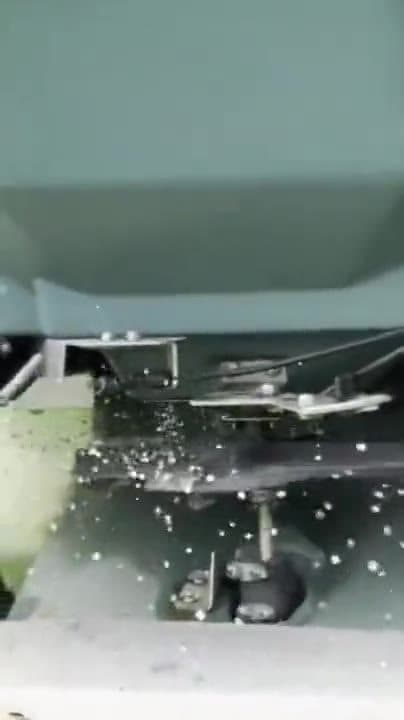
Granular fertilizer leaving the spinner plate of a GLS Turf spreader

Get a quote for lawn fertilization

Tell us where the property is and what you have going on. We measure your turf from the address and send a quote, usually the same day.

Services to be quoted

Add-ons (quoted separately if needed)

Preferred communication

By submitting, you agree to be contacted about this request. We never sell your information.

Questions

Common questions about this service.

Is fertilization included in the 7-Step Program?
Yes. Fertilization is one half of the program and weed control is the other.
My lawn looks rough in February. Why won't you fertilize it then?
Warm-season grass is dormant in February. It cannot take up the nitrogen, so most of it moves past the roots, and forcing early growth before the last frost leaves that new tissue exposed. Bermuda, Zoysia, Centipede, and St. Augustine all get fed after they have greened up on their own, not before.
Do Bermuda and Centipede get the same fertilizer?
No. Centipede is the outlier. It wants far less nitrogen than Bermuda and declines if it is overfed. Bermuda on a Centipede program would stay thin and hungry. We match the rate to the grass, so we ask what you have before the first visit.
How long before I see a difference?
Color usually shifts within one to two weeks of a growing-season application. Thickness takes longer. If the lawn is thin from compaction, shade, or years without a program, plan on a full season before it looks the way you want and better again the year after. This is a maintenance program. It improves a lawn over time rather than repairing one in a visit.
Should I water after a fertilization visit?
Water it in unless rain is already coming. Granular fertilizer needs moisture to move into the soil. Half an inch is plenty. Your technician texts the specifics after each visit.
Can I put down my own fertilizer between visits?
Call us before you do. The program is built around a total annual nitrogen amount for your grass type, and an extra bag on top of that can push growth faster than the roots can support, which opens the door to disease. If you want to add something, we will tell you whether it fits.

Related turf services

Ask about lawn fertilization in the 7-Step Program.

Tell us where the property is and which grass you have. GLS Turf can explain when this treatment occurs and quote the 7-Step Program.