
Test before applying
The soil result gives the recommendation a measurable basis.
Separately quoted add-on
A soil analysis can show whether pH or nutrient levels support a lime or amendment recommendation. GLS Turf quotes the analysis and any recommended application as add-on work.
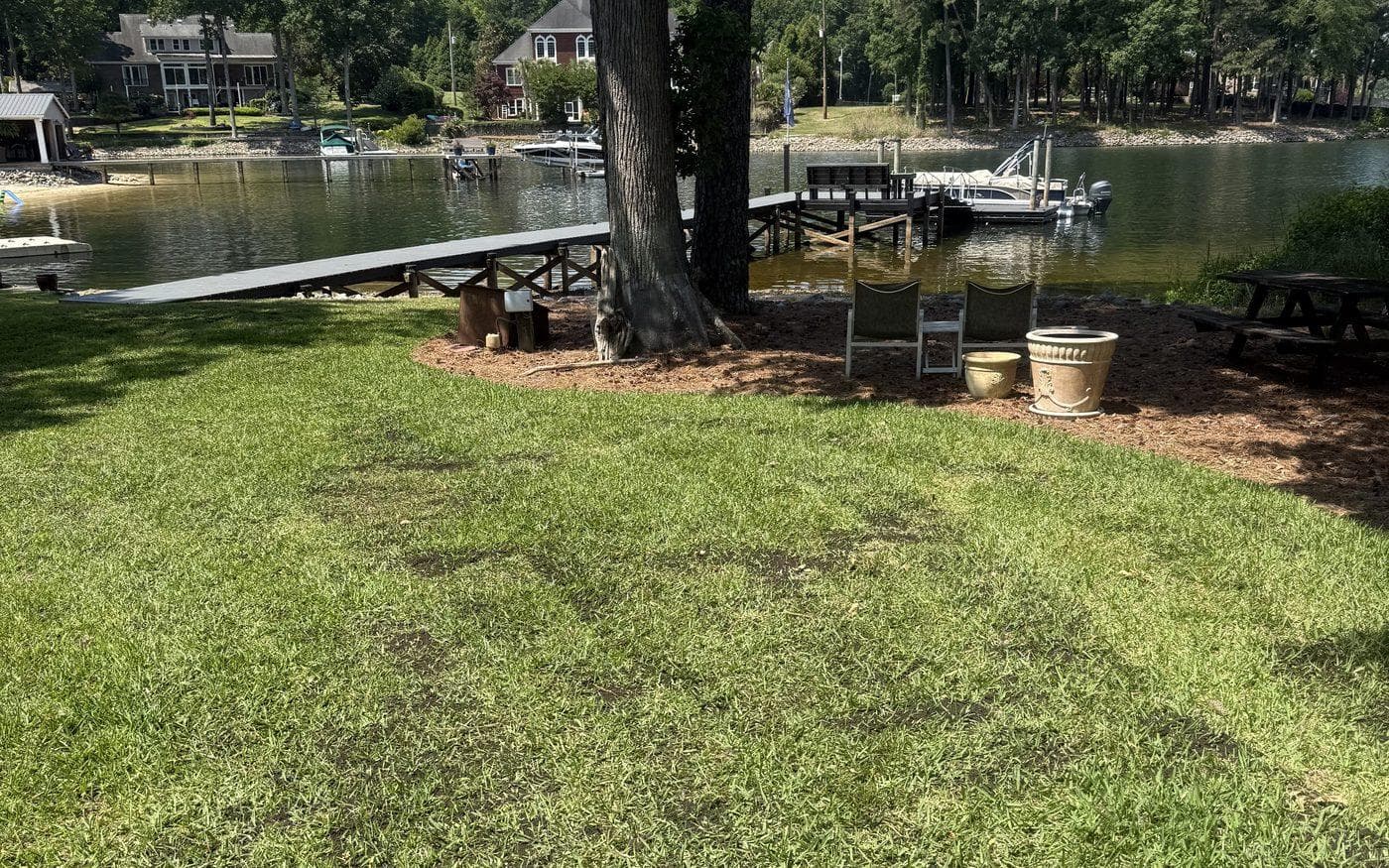
Start with a representative soil sample
Sampling method affects the result. The report should determine the amendment and its timing. GLS Turf collects the sample and lets the lab report determine the amendment and its timing.
The soil result gives the recommendation a measurable basis.
Soil pH and the turf species should support a lime recommendation.
The report can inform later turf-treatment decisions.
How we work
Soil from the treatment area goes to analysis. GLS Turf collects the sample so the result reflects the treatment area rather than one spot.
The pH and nutrient results show whether an amendment is warranted.
GLS Turf quotes lime or another amendment when the report supports it.
| The question | Common mistake | GLS Turf process |
|---|---|---|
| Deciding whether lime is needed | Common mistakeLime goes down because the soil is assumed to be acidic. | GLS Turf processThe soil report determines whether lime belongs in the plan. |
| How much material goes down | Common mistakeA general bag rate replaces the reported recommendation. | GLS Turf processThe report sets the material and the rate, instead of a standard bag application. |
| What a soil test can and cannot tell you | Common mistakeOne amendment is expected to correct every turf problem. | GLS Turf processWe read the soil report alongside what the property is doing. |
Questions
Related turf services
Tell us what you are seeing and where the property is. GLS Turf can confirm availability and whether this add-on fits the turf plan.