
Check the symptoms first
The pattern of discoloration or thinning helps narrow the possible causes.
Separately quoted add-on
Brown or thinning turf can have several causes. GLS Turf evaluates suspected disease and fungus before recommending treatment.
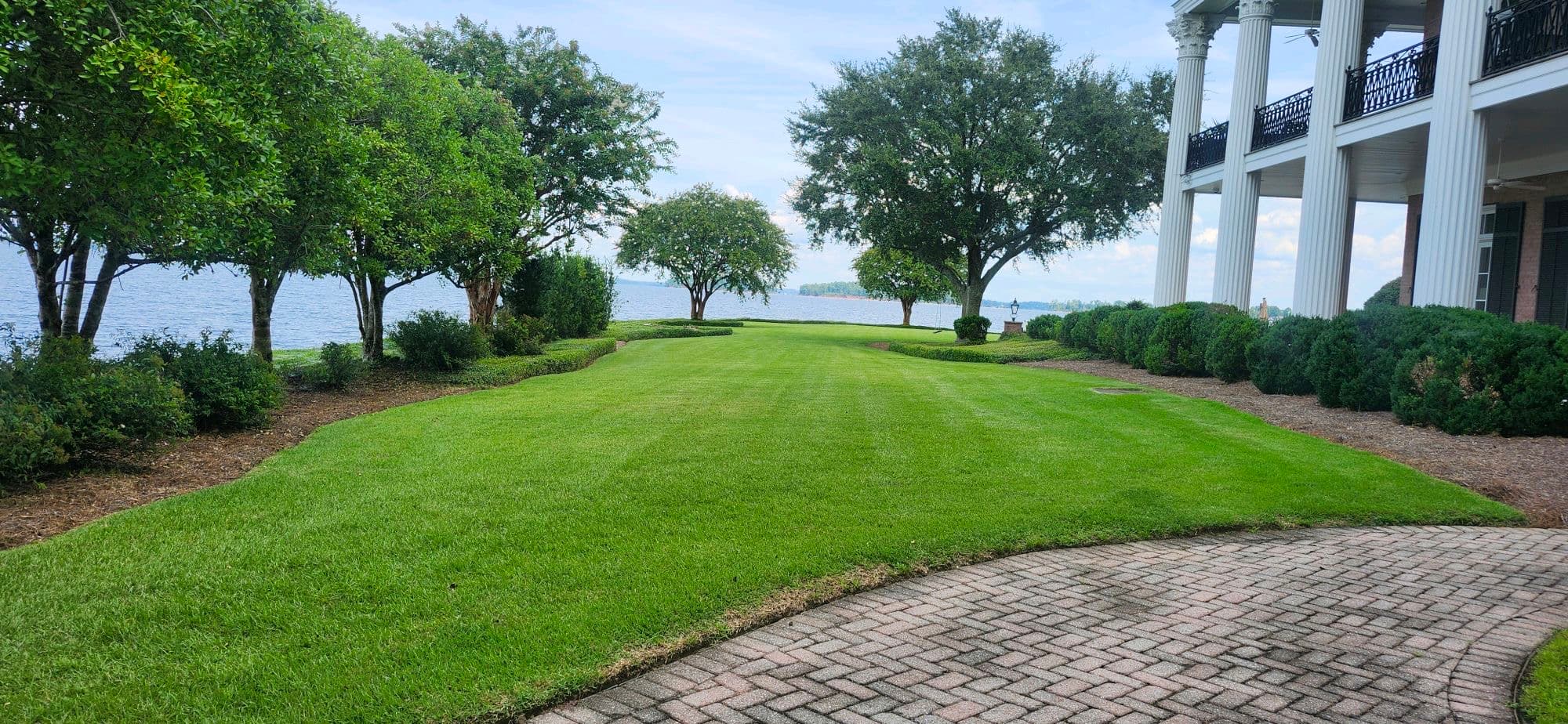
Warm, wet conditions can favor turf disease
Some turf diseases become more active during humid weather or when grass stays wet for long periods. GLS Turf identifies the disease before recommending treatment, rather than treating on symptoms alone.
The pattern of discoloration or thinning helps narrow the possible causes.
Drought, insects, and mowing damage can resemble turf disease.
Disease and fungus control is an add-on to the 7-Step Lawn Program.
How we work
The affected area, turf type, and recent conditions provide the first clues.
Water stress, insects, and mowing damage need to be considered before treatment.
If disease treatment is appropriate, GLS Turf provides a separate recommendation and quote.
| The question | Common mistake | GLS Turf process |
|---|---|---|
| Identifying what is actually wrong | Common mistakeA brown patch is treated as fungus based on appearance alone. | GLS Turf processWe check the pattern and rule out the other things that cause it. |
| Choosing a fungicide | Common mistakeA broad fungicide is chosen before the problem is identified. | GLS Turf processWe look at the affected turf first, then quote the add-on. |
| How quickly the lawn recovers | Common mistakeTreatment is expected to repair existing damage at once. | GLS Turf processThe recommendation separates disease control from the time turf needs to recover. |
Questions
Related turf services
Tell us what you are seeing and where the property is. GLS Turf can confirm availability and whether this add-on fits the turf plan.